
Categories
Best realtor, Home buying, Home selling, Long Island Real Estate, Nassau Real Estate, Queens Real Estate, Real Estate, Spring sellingPublished April 17, 2026
Queens Co-op Board Rejections Are Killing Deals at Record Rates — Here's Why Sellers and Buyers Are Getting Blindsided

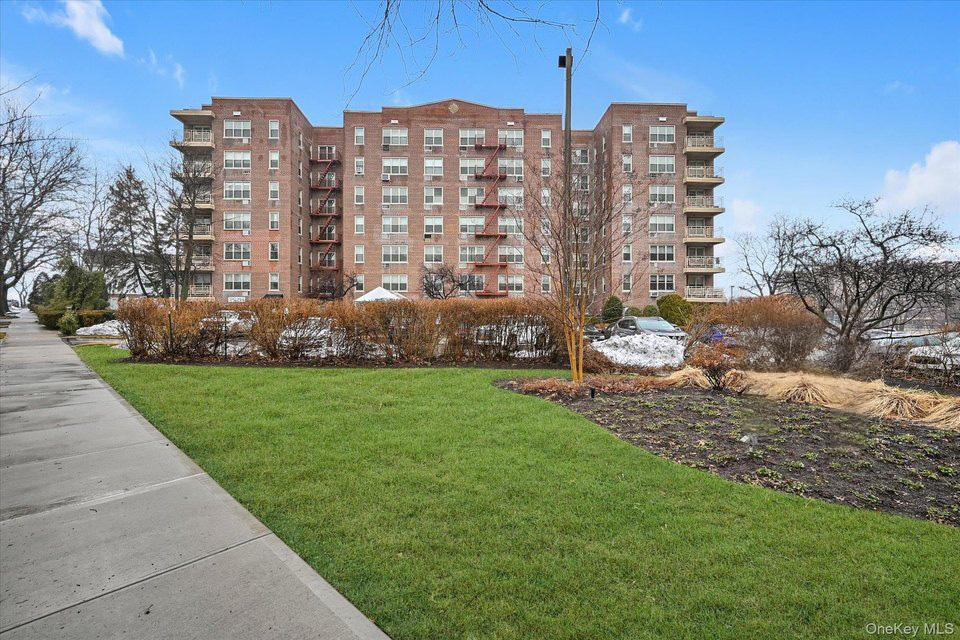
If you own a Queens co-op — or you are thinking about buying one — there is a hard reality about the 2026 market that nobody in the listing pictures wants to show you: co-op board rejections are killing deals at a rate Queens has not seen in years. Sellers in Forest Hills, Rego Park, Jackson Heights, Kew Gardens, Briarwood, and Bayside are watching fully accepted offers fall apart at the final stage — not because the buyer lost financing, but because the board simply said no. Buyers are walking away wounded, sellers are losing months of time, and deals that looked clean on paper are evaporating in silence.
Why Queens Co-op Boards Are Saying No More Often
Queens co-op boards have always had broad discretion, but the current environment has pushed many boards into aggressive defense mode. Rising maintenance costs, underfunded reserves, delayed capital projects, shrinking sponsor units, and nervous long-term shareholders have turned many boards into gatekeepers who would rather reject a marginal application than approve a buyer and risk another financially shaky resident. That risk-aversion translates directly into more rejected buyers, longer approval timelines, and tougher post-interview decisions — all of which land on the seller's head.
Boards are tightening debt-to-income limits, demanding two full years of liquid post-closing reserves where one was standard, scrutinizing employment histories, and in some cases rejecting buyers whose numbers would have easily cleared the same board three years ago. It does not matter that the contract was signed, the inspection passed, and the lender cleared the loan. A board rejection ends the deal, period.
The Hidden Cost to Queens Sellers
A co-op rejection is not just a disappointment — it is a financial event. The seller's home comes back on the market marked as a "fall-through," which sophisticated buyers and agents notice immediately. Days-on-market resets are brutal in MLS and portal algorithms. Buyers start asking what went wrong. Offers that come back in are almost always lower than the original accepted price. And the seller has now burned 30 to 60 days of carrying costs, maintenance, taxes, and mortgage interest with nothing to show for it.
Worse, Queens sellers who experience one rejection often experience two. If the building's financials, underlying mortgage, or reserve position is the real reason behind conservative approvals, the next buyer is going to run into the exact same wall. We have seen Queens sellers rejected three times in a single listing cycle before anyone told them the problem was not the buyers at all — it was the building.
Buyer Financials Are Not the Only Red Flag
Many Queens buyers assume that if their income, credit, and savings are strong, they will sail through any board. That is no longer true. Boards are examining sources of down payment, gift letters, self-employment income volatility, recent job changes, and even the stability of the buyer's current housing situation. A buyer with a perfect credit score and a six-figure W-2 can still be rejected if the board does not like the shape of the supporting documentation or the narrative behind the financials.
Pet policies, subletting history, prior litigation, and even social-media optics have entered the conversation inside some Queens board meetings. It is not fair, it is not always logical, and buyers and sellers deserve to know these realities before they invest months of their life into a transaction that a board can end with a single vote.
Building-Level Problems Sellers Rarely Disclose
The most painful co-op rejections in Queens right now are driven by problems inside the building that never make it onto the listing sheet. Underlying mortgages coming due in a higher-rate environment. Deferred maintenance that the board is quietly planning to fund through a large assessment. Local Law 97 emissions obligations triggering expensive mechanical upgrades. Facade work, parking garage rehabilitation, elevator replacement — any of these can tank a building's Fitch-style analysis, scare off lenders, and force boards to tighten standards on every incoming buyer.
Sellers who do not understand the health of their own building are walking into listing agreements blind. Buyers who do not investigate the building independently are setting themselves up for a rejection letter they never saw coming. And the agents on both sides are often too inexperienced with Queens co-ops to spot the warning signs until it is too late.
What to Do Before You List — Or Before You Sign
If you are selling a Queens co-op in 2026, do not put a single photo online until you have done three things. First, obtain and actually read your building's most recent two years of financial statements, board meeting minutes, and any assessment or capital improvement plans. Second, have a real conversation with your managing agent about current approval trends in the building. Third, price and position your listing with the board in mind, not just the buyer — because the buyer you attract has to survive that board.
If you are buying, demand the financials, demand the minutes, ask pointed questions about underlying mortgage terms, and make sure your application tells a clean, coherent financial story before it lands in front of the board. Your agent should be shaping that application with you, not just dropping a packet at the management office and hoping for the best.
The Baron Team's Honest Take on Queens Co-ops
At The Baron Team, we have been navigating Queens co-op boards since 1988. We have seen every flavor of rejection, every building quirk, and every renegotiation dance that follows a fall-through. Our family-run team — Alex Baron, Jackie Baron, and Gary Baron — has closed over 1,000 transactions and more than $500M in career sales volume across Queens, Long Island, and Palm Beach. We rank in the top 2% of Realtors nationwide, and that ranking comes from exactly this kind of hard-won expertise: knowing which buildings approve, which buildings punish, and how to price and position a co-op so it actually closes.
We protect sellers from avoidable rejections by vetting buyers and buildings before contracts are signed. We protect buyers by walking them through the application with the scrutiny a board will apply, not the softball version most agents submit. And we tell every client the truth about what the current Queens co-op market actually looks like — not the version on a glossy flyer.
Contact The Baron Team Today
If you own a Queens co-op and are considering selling — or you are a buyer staring down an application and worrying about rejection — call 718-490-4523 or visit wesellhomes.pro for a confidential conversation. The Baron Team serves Queens, Long Island, and Palm Beach with the integrity, clear communication, and follow-through that protects your equity from day one to closing.
The Baron Team — Alex Baron, Jackie Baron, and Gary Baron. Top 2% of Realtors nationwide. $500M+ in career sales. Family-run since 1988.
or another way