

Categories
Home selling, Long Island Real Estate, Queens Real Estate, Real EstatePublished April 24, 2026
The Hidden Costs of Overpricing Your Home

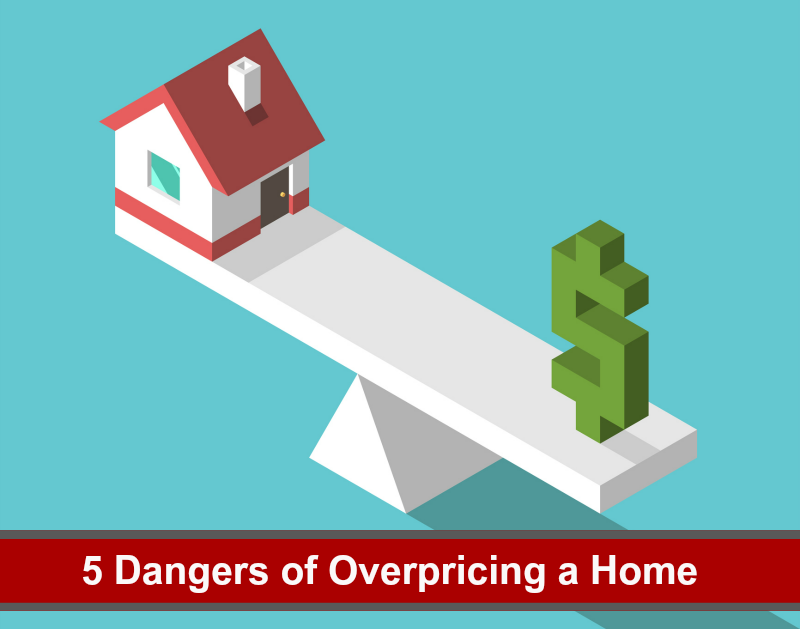
What Does It Really Cost to Overprice Your Home?
Most sellers think of overpricing as a harmless negotiating tactic. List high, negotiate down, meet in the middle — what's the harm?
The reality is that overpricing your home carries very real, very measurable costs — both financial and emotional — that most homeowners don't fully grasp until they're living through it. Let's break them down.
Cost #1: The Carrying Costs Keep Climbing
Every month your home sits on the market unsold, you're paying for it. Mortgage payments, property taxes, homeowner's insurance, utilities, and routine maintenance don't stop just because you've listed the house. For the average Queens or Long Island homeowner, carrying costs can run $3,000–$8,000+ per month depending on the property.
A home that sits for 3 extra months due to overpricing has already cost you $9,000–$24,000 before a single negotiation begins.
Cost #2: Price Reductions Signal Weakness
When you reduce your price — and overpriced homes almost always require reductions — you send a signal to the market. Buyers and their agents see the price drop and immediately wonder: What's wrong with it? Why won't it sell? How desperate are they?
That perception invites lowball offers. Buyers who might have offered asking price before the reduction now anchor to the reduced price and push for even more concessions. Your negotiating power erodes with every day the DOM (days on market) counter climbs.
Cost #3: You Miss the Buyer Window
Every new listing gets a surge of attention from active buyers in those critical first two weeks. These are the most motivated, most pre-approved, and most serious buyers in the market. They're watching the MLS daily, they've toured dozens of homes, and they know value when they see it.
When you overprice, you miss this window entirely. These buyers move on to better-priced listings. When you eventually reduce your price, the urgency and energy of that initial rush is gone. You're essentially starting over — with a listing that now carries the baggage of a stale market history.
Cost #4: The Appraisal Problem
Even if a buyer agrees to your inflated price, you're not out of the woods. If the buyer is financing, their lender will order an appraisal — and the appraiser doesn't care what you think your home is worth. They look at comparable sales.
If the home doesn't appraise at the agreed price, you either renegotiate, make up the difference yourself, or lose the buyer entirely. An overpriced listing that survives long enough to go under contract still has a significant chance of crashing at the appraisal stage.
Cost #5: The Emotional Toll
Don't underestimate this one. Living in a home for sale is stressful. Every showing means cleaning, vacating, and waiting. Every week without an offer adds anxiety. Every lowball offer stings. The longer a sale drags on, the more it affects your plans — your next purchase, your relocation, your life.
Overpricing doesn't just cost money. It costs time, peace of mind, and momentum.
Price It Right the First Time
The solution is simple: price your home correctly from day one. Work with an experienced listing agent who will give you an honest, data-driven market valuation — not the highest number just to win your listing.
At The Baron Team, we've seen the consequences of overpricing too many times. That's why we always lead with honest pricing advice and a strategy designed to maximize your net proceeds, not just your list price.
📞 718-490-4523
🌐 wesellhomes.pro
or another way